Psilocybin has been studied in a variety of mental health and personal growth contexts.
While research is ongoing, results from clinical trials and personal experiences alike point to a wide range of potential benefits.
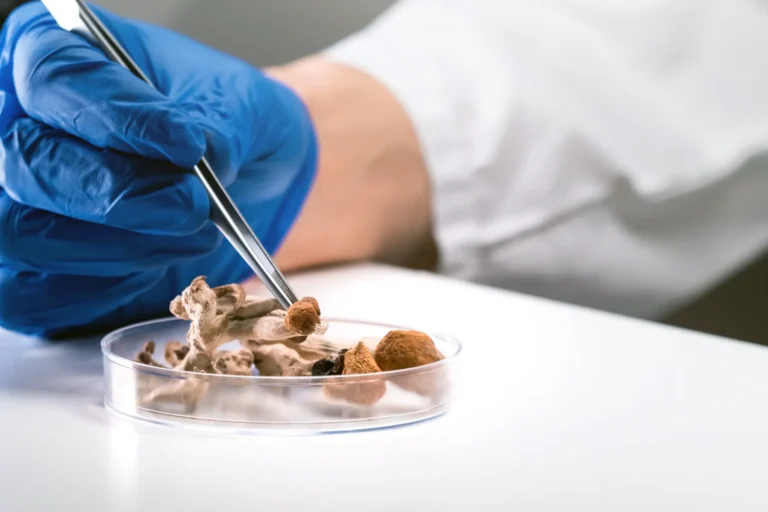
Psilocybin has shown promising results for people with treatment-resistant depression (TRD) — individuals who have not responded to traditional antidepressants.
In a landmark Johns Hopkins study (Gukasyan et al., 2020), participants receiving psilocybin-assisted therapy experienced rapid and sustained improvements in mood and well-being. Many reported relief within days, far faster than with typical antidepressants.
These findings suggest that psilocybin, when combined with preparation, support, and integration, can catalyze meaningful and lasting change for those facing chronic depressive symptoms.
For people facing life-threatening illnesses such as cancer, psilocybin has been shown to reduce fear of death, anxiety, and depression, and to increase feelings of peace and spiritual well-being.
Studies from Johns Hopkins, NYU, and UCLA have found that even a single supported session can bring lasting improvements in mood and outlook, helping participants approach mortality with greater acceptance and meaning.
Many describe these sessions as among the most meaningful experiences of their lives, often leading to renewed appreciation for relationships, beauty, and life itself.
Many people are drawn to psilocybin not just for symptom relief, but for exploring deeper questions of meaning, purpose, and spirituality.
Sessions can open new perspectives on one’s relationships and foster a greater capacity for love, forgiveness, and compassion — both toward oneself and others.
Participants frequently describe psilocybin as helping them reconnect with what truly matters and to feel more fully alive, as well as increasing the depth of love they feel and share with others.
Emerging research indicates that psilocybin may be helpful with substance use disorders.
In a Johns Hopkins and NYU collaboration (Bogenschutz et al., JAMA Psychiatry, 2022), individuals with alcohol use disorder who received psilocybin-assisted therapy drank significantly less and had fewer heavy-drinking days compared to those given an active placebo.
Participants often describe gaining insight into the emotional or spiritual roots of their substance use, leading to more self-compassion and agency in their recovery process.
Although formal research is still developing, both facilitators and clinicians have observed that psilocybin can help individuals revisit, process, and release long-held trauma.
In my own work — with both psychiatric patients and psilocybin clients — I have repeatedly seen dramatic improvements in mood, anxiety, and quality of life after sessions in which past trauma was safely explored and integrated.
Participants often report a sense of deep emotional resolution and renewed vitality that endures well beyond the session itself.
A growing number of leaders, entrepreneurs, and creatives are exploring psilocybin to enhance insight, empathy, and clarity in their work and personal lives.
A 2024 New York Times article highlighted how professionals — including Washington-area executives — are turning to psilocybin in guided settings to foster innovation, emotional intelligence, and perspective-taking.
While not a medical indication, this points to psilocybin’s broader potential to support self-awareness, creativity, and more balanced leadership.
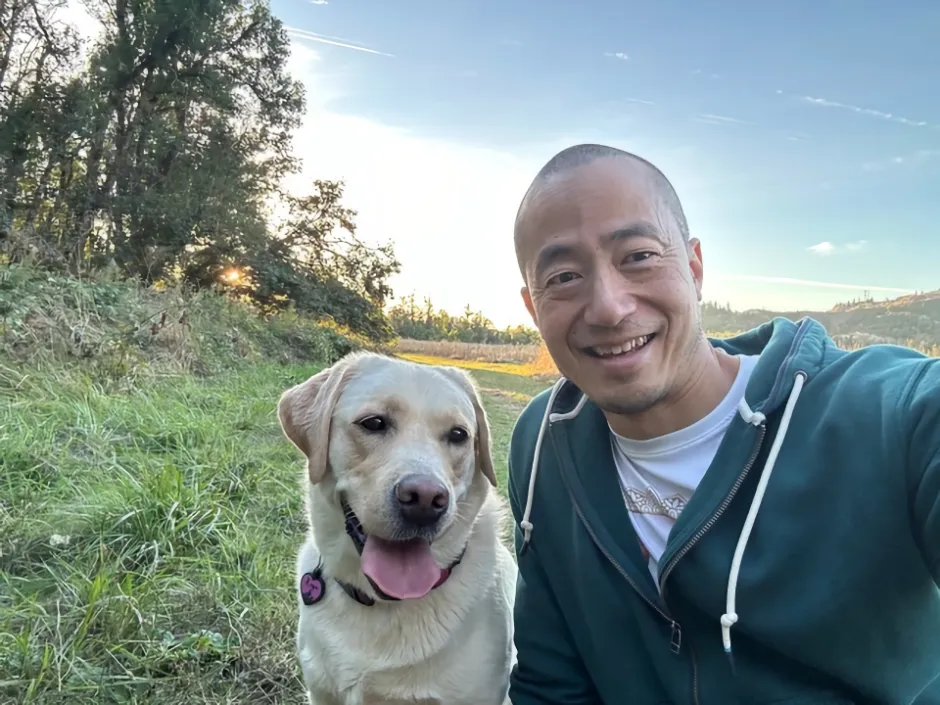
Psilocybin is certainly not a cure-all, nor do I believe it is something that “everyone should do.” It is also not a substitute for the lifelong work of cultivating mindfulness, presence, and self-understanding — work that I believe each of us must do to live more fully and freely.
Yet psilocybin can serve as a profound ally in that cultivation — a catalyst for healing, insight, and reconnection with what is most essential in ourselves and in life. I consider it both a medical marvel and a sacred gift — one that invites us to approach it with wisdom, gratitude, and ample compassion for the suffering of others.
Unfortunately, no. By OHA regulation, anyone with active psychosis or a history of psychotic disorders (such as schizophrenia or schizoaffective disorder) is not eligible to participate in a psilocybin administration session.
This rule exists because psilocybin’s effects on perception and serotonin signaling could worsen or trigger psychotic symptoms in vulnerable individuals.
Psilocybin interacts with serotonin pathways in the brain, so it’s important to review any current medications with both your prescribing clinician and your facilitator before participating in a psilocybin session.
Below are some general guidelines, consistent with Oregon Health Authority (OHA) regulations.
Most common antidepressants are not contraindicated.
People taking these medications often find that psilocybin’s effects are milder or less intense, likely due to receptor desensitization.
Common examples:
– SSRIs (e.g., fluoxetine, sertraline, escitalopram)
– SNRIs (e.g., venlafaxine, duloxetine)
– Wellbutrin / bupropion
While these are usually safe to continue, it’s still important to consult your prescribing provider before participating.
People with renal impairment should use caution.
Psilocin, the active form of psilocybin, is cleared primarily through the kidneys, so impaired function may prolong or intensify its effects.
Participation is considered a relative contraindication and should only proceed after consulting a nephrologist or primary-care provider.
Pregnancy and breastfeeding are not specifically prohibited by OHA rules.
However, there is no established safety data on psilocybin use during pregnancy or lactation.
Participation is therefore considered on a case-by-case basis, and generally only if the potential benefits clearly outweigh any possible risks.
A thorough discussion with your healthcare provider is essential before proceeding.
If you are currently suicidal, you are not eligible to participate in a psilocybin administration session under OHA rules.
What about a past history of suicidal thoughts or behavior?
If you have a history of suicidality, you are encouraged to discuss the safety and timing of psilocybin use with your current mental-health provider.
Importantly, a 2025 meta-analysis by Stanley Wong et al. found that psilocybin-assisted therapy was associated with reduced suicidal ideation in clinical settings when delivered in structured, supportive environments. Nonetheless, careful screening and preparation remain essential for anyone with a history of suicidality.
If you are currently taking lithium, you are not eligible for a psilocybin administration session in Oregon per OHA rules. In addition, several medical case reports have described seizures and other adverse reactions when lithium and psilocybin were taken together.
(e.g., semaglutide / Ozempic, tirzepatide / Mounjaro, liraglutide, etc.)
These medications slow gastric emptying and alter absorption, which can lead to unpredictable psilocybin effects and delayed onset.
Participants are encouraged to discontinue GLP-1 medications for at least four full weeks before an administration session.
Psilocybin can temporarily raise heart rate and blood pressure, similar to the effects of moderate physical exertion.
Heart disease:
Hypertension:
Every person’s medical history and mental-health background are unique.
This information is provided for educational purposes only and should not be considered medical advice.
Please consult your healthcare provider before participating in a psilocybin administration session.
The cost of participating in an Oregon-legal psilocybin journey is not inexpensive.
Several factors contribute to this — including state regulations, the licensed service center rental, and the lab-certified psilocybin product itself. In addition, facilitators spend significant time in preparation, administration, and integration sessions.
For most licensed facilitators, the total time spent with each client is typically 8 to 10 hours or more.
| Item | Estimated Cost |
|---|---|
|
Service Center Fee |
$700 |
|
Psilocybin Product |
Psilocybin Product |
|
Facilitator Fee |
$3,500 (based on a minimum of 10 hours @ $350/hr) |
|
Estimated Total |
$4,500 |
(Some clients choose additional hours for preparation or integration, which are billed at the same hourly rate.)
I understand that this cost is significant, and I would never suggest that someone should pay more to work with me if a less expensive and equally qualified facilitator feels like the right fit.
The primary source of any healing that arises from psilocybin work comes from the medicine itself, your own inner intelligence, and the effort you put into preparation and integration.
The facilitator’s role is to support and hold space for that process.
Some individuals choose to work with me because they feel safer with a psychiatrist present given their psychiatric or medical history, or because they were referred by a trusted friend or family member. For others, the cost is a limiting factor — and there are excellent options available throughout Oregon.
There are many capable and compassionate facilitators in Oregon.
Below are two colleagues I have come to respect through direct professional experience and client feedback.’
Both offer excellent facilitation at a lower total cost than my own services.
Josh Goldstein
IFS-informed psilocybin facilitator with extensive experience.
Location: Bend, Oregon
Estimated total cost (including service center and product): ~$2,500
innerwisdomfacilitation.com
Erin Draper
Experienced and compassionate facilitator, trained in trauma-informed and doula-style support.
Location: Portland, Oregon
Estimated total cost: ~$2,800 (sliding scale available)
psychedoula.com
My intention in sharing this information is to help you make the choice that best supports your safety, comfort, and growth.
If cost is a major barrier, I encourage you to explore other facilitators and to trust your sense of where you feel most supported and at ease.